


The internet we know is changing. Bots and computer-written content were always out there (see Dead Internet Theory), but with large language models like ChatGPT, generating mountains of text has never been easier.
What some people call the "commercial internet", the space where companies like Google, Amazon, Facebook, websites like The Verge, and yes, even overkill, all try to make money, is shifting fast. AI is at the center of it.
When we started overkill, it was simple. I wanted to read stuff about the Steam Deck that didn’t exist, so I made it. Over time we covered more topics, and Google and Reddit liked us enough that traffic grew.
But we never really played the SEO game. I work at a newspaper, so I know how unpredictable SEO traffic can be. Still, Google became one of our main sources of visitors. For a while, it looked like ads alone could replace Chris’ or my income and let one of us go full time on overkill. However, we held off on taking the leap, and I’m glad we didn’t.
Because then Google started changing things. Algorithms first. We weren’t crushed as badly as friends like Retro Dodo, but our traffic dropped, slowly but steadily. Then AI summaries hit.
How we started
For a while we leaned into content I knew would do well: guides on setting up emulators, tutorials, game performance reviews. We didn’t do scammy SEO, but we weren’t saints either. Now our traffic is flat, down roughly 40% from our peak, and while it’s not a freefall, it’s not growing either.
Luckily, we have our RSS readers, social followers on platforms that don’t bury links (follow us on Mastodon and Bluesky), and our email newsletter (the best way for us to stay in touch). But cash coming in is still way down as a result.
Overkill is a registered company here in Luxembourg, and even if I slash every tool and service we use, the accountant’s invoice keeps coming. So to keep the lights on, overkill needs to keep making money.
Subscriptions help, as some of you subscribe to support us (thank you so much), and we want to make that more valuable. We still run ads which help pay the bills, but, let me be honest: I can’t stand them. I've literally got a subscription to my own website so I don’t have to see them.
Google is changing
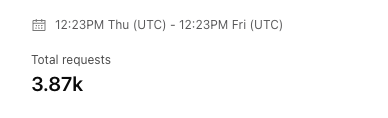
I don’t see this getting any better. If anything, I see it getting worse. Cloudflare shows us how many bots from AI companies scrape our site daily. See for yourself:
Also, Google is heading toward "Google Zero", where they keep traffic for themselves and AI summarises everything — no click required. They claim they still send visitors, but I see the numbers at work in the newspaper world too. There’s this "great decoupling" on search: impressions rise because your link is in their AI box, but clicks don’t follow. People just read the summary and move on. I think this gap only grows, while in the past clicks moved proportionally to impressions. Now they don't.
Even on YouTube, where we’ve been focusing more lately because it’s still stable (for now?), I see signs of change. Google is already testing AI summaries for videos, so why watch a ten-minute guide if you can get the steps as a bullet list? I use YouTube for entertainment similar to Netflix, and I wouldn’t want AI to summarize a TV show I watch, but for news or tutorials, it’s easy to imagine most people skipping the video entirely. The weirdest part is YouTube is even offering me to skip built-in ad spots as part of my YouTube Premium subscription. Why is this even an option? (But that's an entirely different rant.)
The collapse of the "free" internet
I have a theory about where this all goes. When AI agents get good enough, a lot of people won’t interact with many websites at all. You’ll tell your agent you need toilet paper, it will know your preferences, and it will negotiate with Amazon’s systems to order it. The same could happen to news. Why check sites when AI can just pull what you care about? And if you’re not visiting websites, you’re not seeing ads. So instead advertisers will start buying space inside AI agents (I can see, for example, Samsung paying for a higher mention in an AI result when I tell it I want a new phone) or oddly, dump money into real-world ads like billboards.
Where does that leave sites like ours, or The Verge, or the papers I work for? Without ads, the "free" internet collapses.
Subscriptions are one answer. Deals with AI companies might be another, because without original reporting and reviews, those AI agents have nothing to summarize.
The Indie Internet
But then, there’s the indie internet. The blogs, the personal sites, the small zines people run because they love creating online. Some, like MacStories, Kottke, Stratechery, or Daring Fireball, manage to turn it into full-time work. Most just want a side income to cover costs, maybe to buy gear for reviews or experiments.
That’s where I want overkill to lean. I don’t expect it to fully replace Chris’ or my job, and I want to be transparent about that. (Nor do I want to, but that's a different story.)
So over the next few months, we’ll make choices to pull us back closer to the indie side of the internet.
For example: One idea I’m toying with is killing display ads entirely, shifting to minimal, handpicked direct ads and leaning harder into subscriptions. We have enough savings to keep the site alive for at least a year even if we made no income, strictly to cover fixed costs, taxes, and servers. Chris and I still haven’t paid ourselves a single cent (or penny!) after three plus years. But pulling ads is a big risk, and I don’t know if we’re ready yet.
Anyway, this is all still in progress. I doubt anyone truly knows towards what future the internet is heading towards, but I am certain something is fundamentally changing, but I am uncertain yet what will be truly lost along the way.
I hope overkill isn’t one of those things.
I still love testing new tech, showing off weird gear I find, and running odd experiments just because I’m bored with my phone. That’s why overkill exists.
Thanks for reading.