

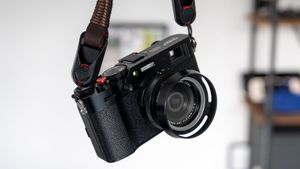
There’s this thing that photographers like to say that you might have heard before: Gear doesn’t matter.
I disagree.
Now, I don’t disagree that you don’t need the latest shiny toy to take good pictures.
I also don’t disagree that a great photographer can probably take a prize-worthy image on a freaking potato.
But I do believe that gear matters, a lot, insofar as it sparks joy when you use it.
Another thing photographers love to say is that the best camera is the one you carry with you. Often they are referring to the smartphone we are all somehow physically attached to.





But it doesn’t matter how much I try, what apps I use, or what mindset I try to put myself into: I cannot wrap my head around smartphone photography. It simply never sparks joy. If you look at my iPhone’s camera roll, it’s all screenshots and snapshots of things I want to remember for like five minutes.
To me, a camera has to have physical dials. And a viewfinder. And heft. And when I take a picture something needs to click. Like literally. I need to hear the shutters do some noise. This sparks joy for me. And no camera has ever sparked as much joy as the Fujifilm X100VI I bought two months ago.
For the longest time, my holy grail of cameras was the Leica Q lineup. And then I owned a Q2. I used it and brought it with me, people asked me about it, and I took pictures and more pictures.
And then I decided to sell it. For one, I wanted to start doing YouTube videos for overkill, and don’t you dare film on a Leica. That’s a capital crime or something in the community. And I realized that I don’t particularly like a 28 mm lens. I ended up cropping so much that most of my pictures ended up being the equivalent of 35 mm.
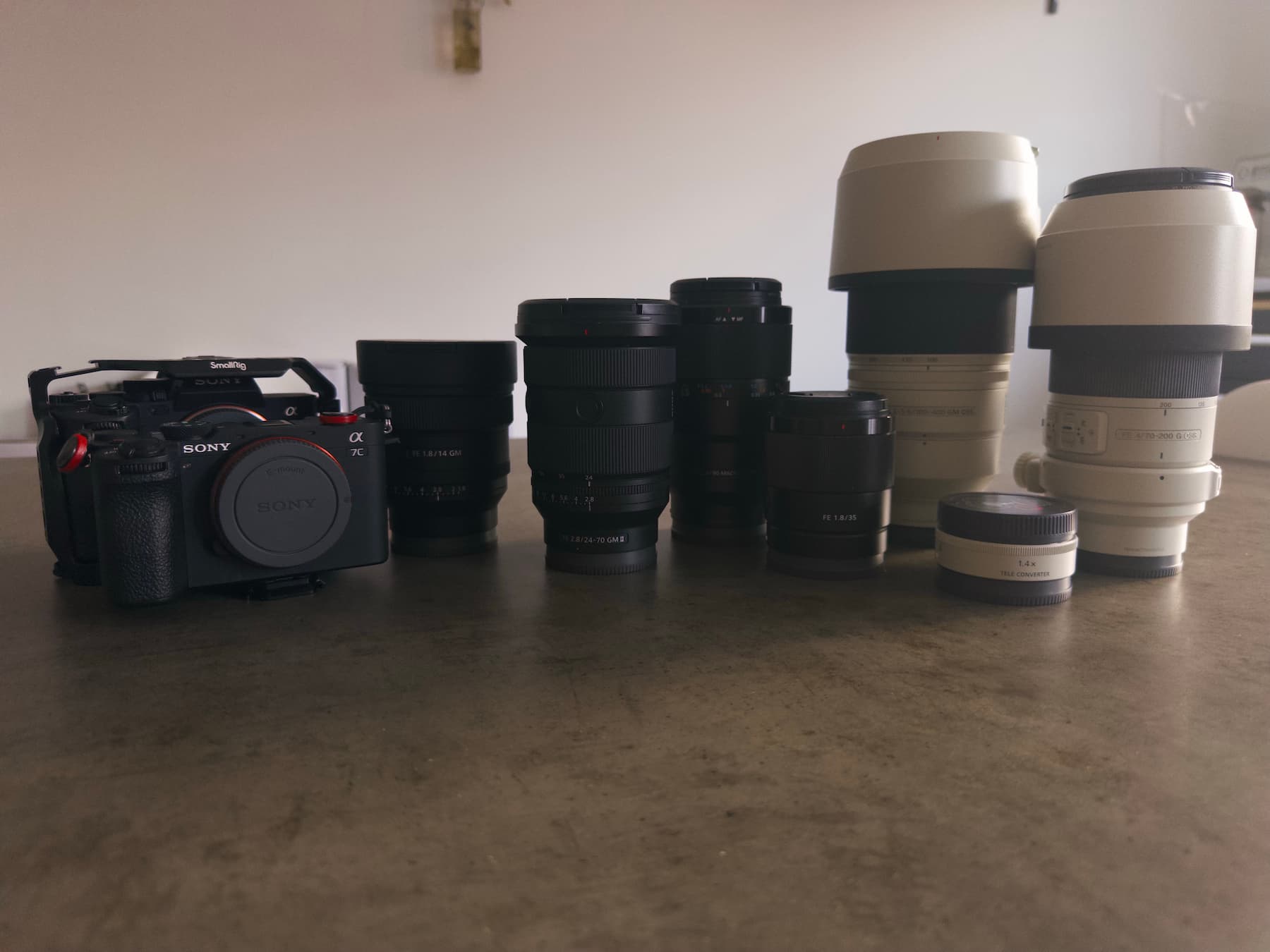
Instead, I bought a Sony a7C II and a Sony a7 IV and a couple of lenses (yes, Leicas are damn expensive). The thing about Sony cameras is that they are perfect work machines. They take technically perfect pictures. They’re also fantastic video cameras. All the stuff featuring me on the overkill YouTube channel was filmed on a Sony camera.
But damn, Sony cameras are boring. They lack what the experts call character. It’s all just so flawless, so smooth, so pixel perfect. If you need that for your job, you’ll love these things, but they’re so damn soulless.
So before a trip, I decided to trade in my a7C II and a 35 mm, my EDC setup, for the Fuji X100VI. I’d never owned a Fuji before, never shot on one except in camera stores, but something, probably hype, attracted me to it.
This camera eventually made me question why I stuck with Sony for so long. I’m actually looking at other Fuji cameras right now, but please don’t tell my wallet.
The X100VI is not a perfect camera. But what it is, is a real camera. The only thing that would make this even more of a real camera is if it were analog. It oozes character.
Everything you want to change while taking a picture has a physical dial. You never need to look at its screen (more about that screen in a second) to change anything important during a shoot. You just look through the hybrid viewfinder (you can switch between an optical viewfinder that’s basically just a hole to the outside world and an electronic viewfinder, which is a small screen), spin a dial, and continue shooting.
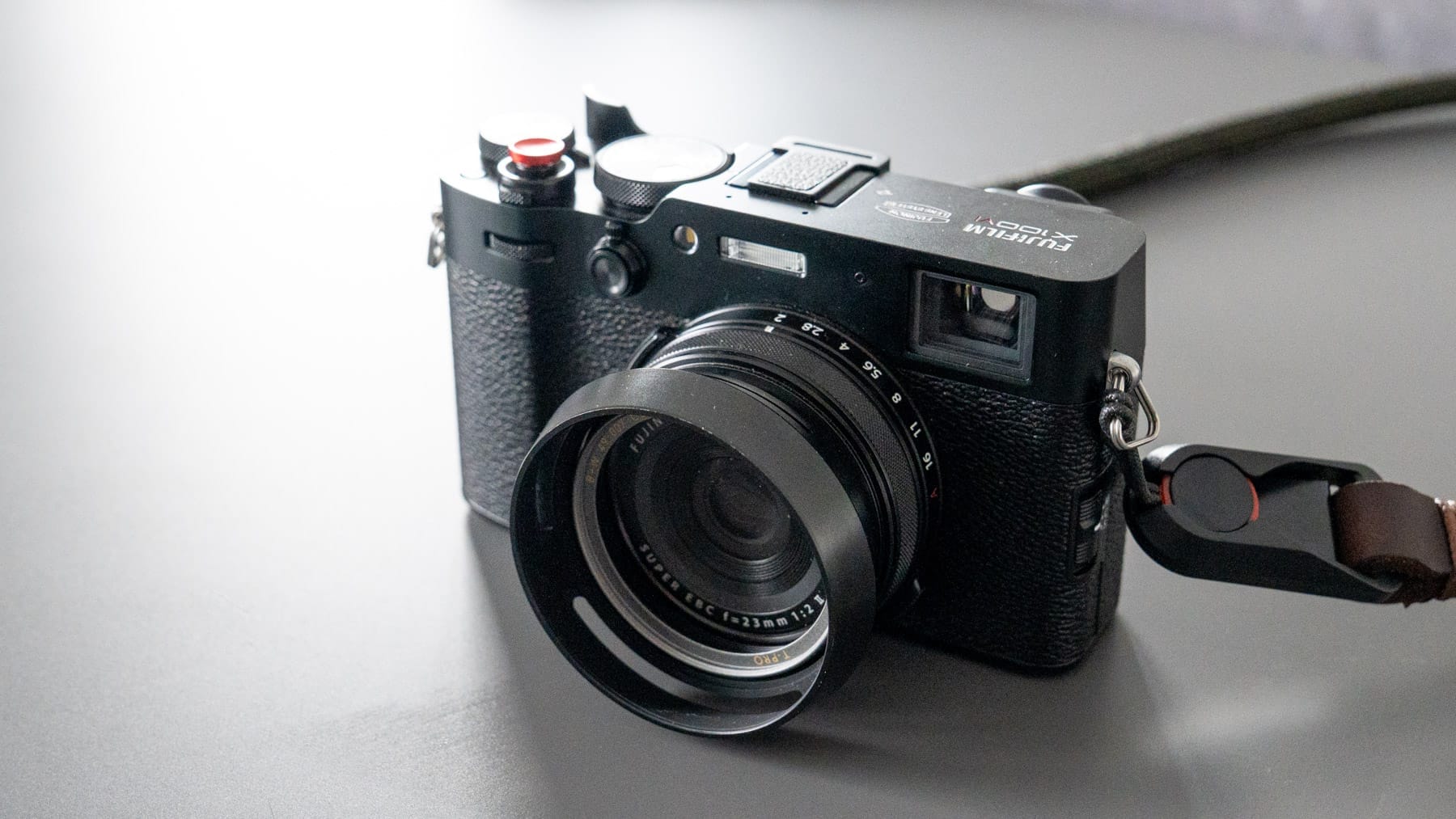
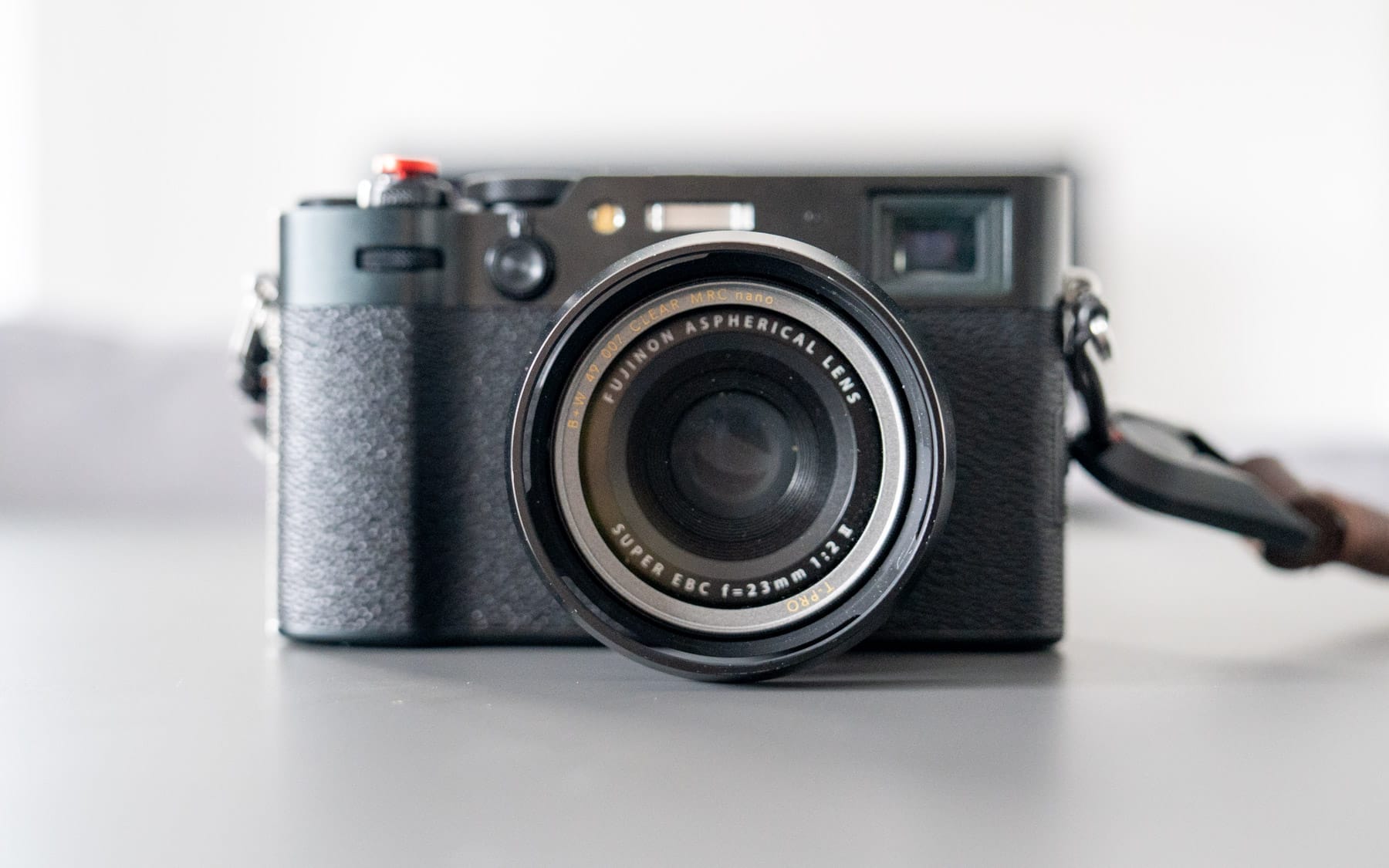
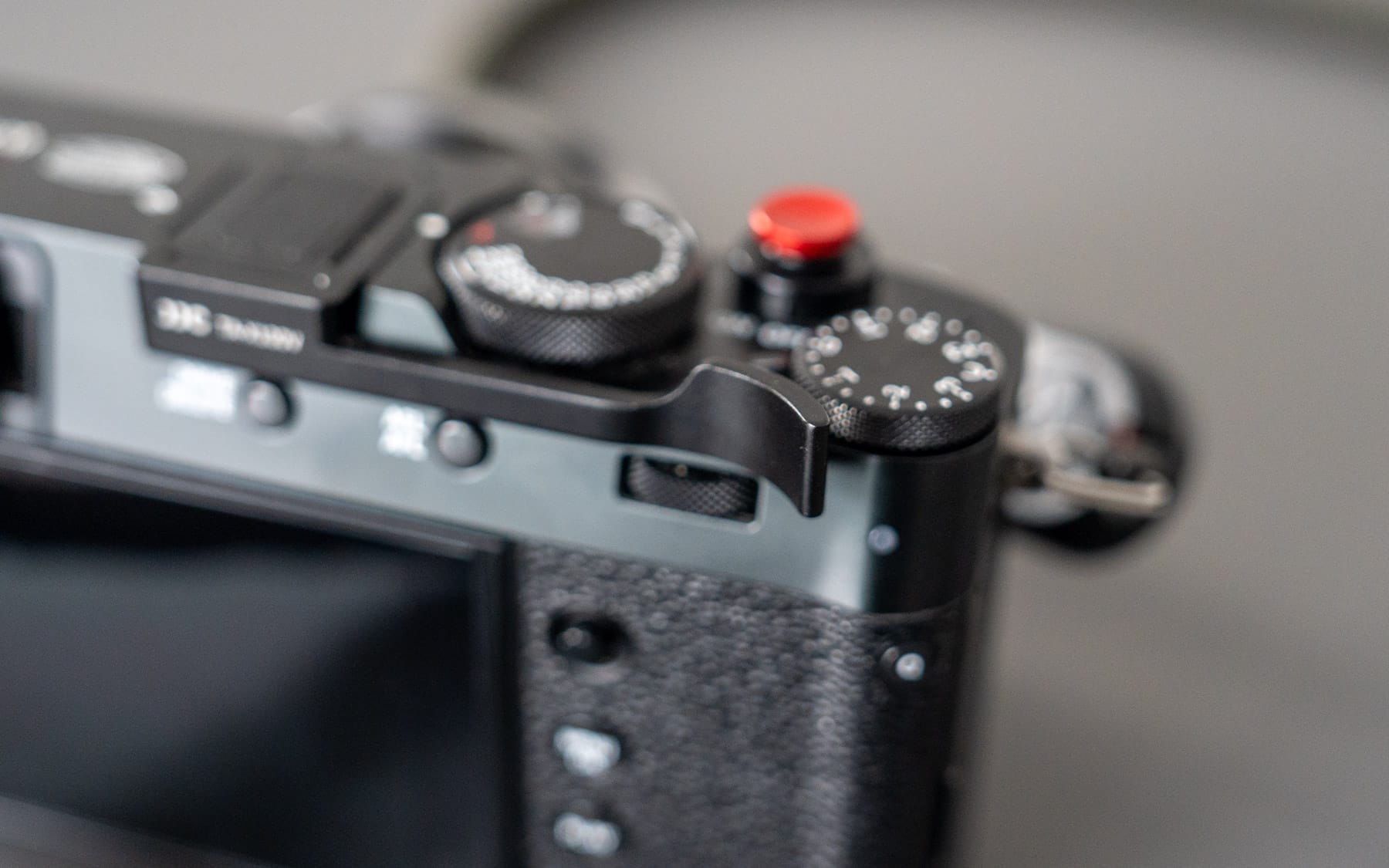
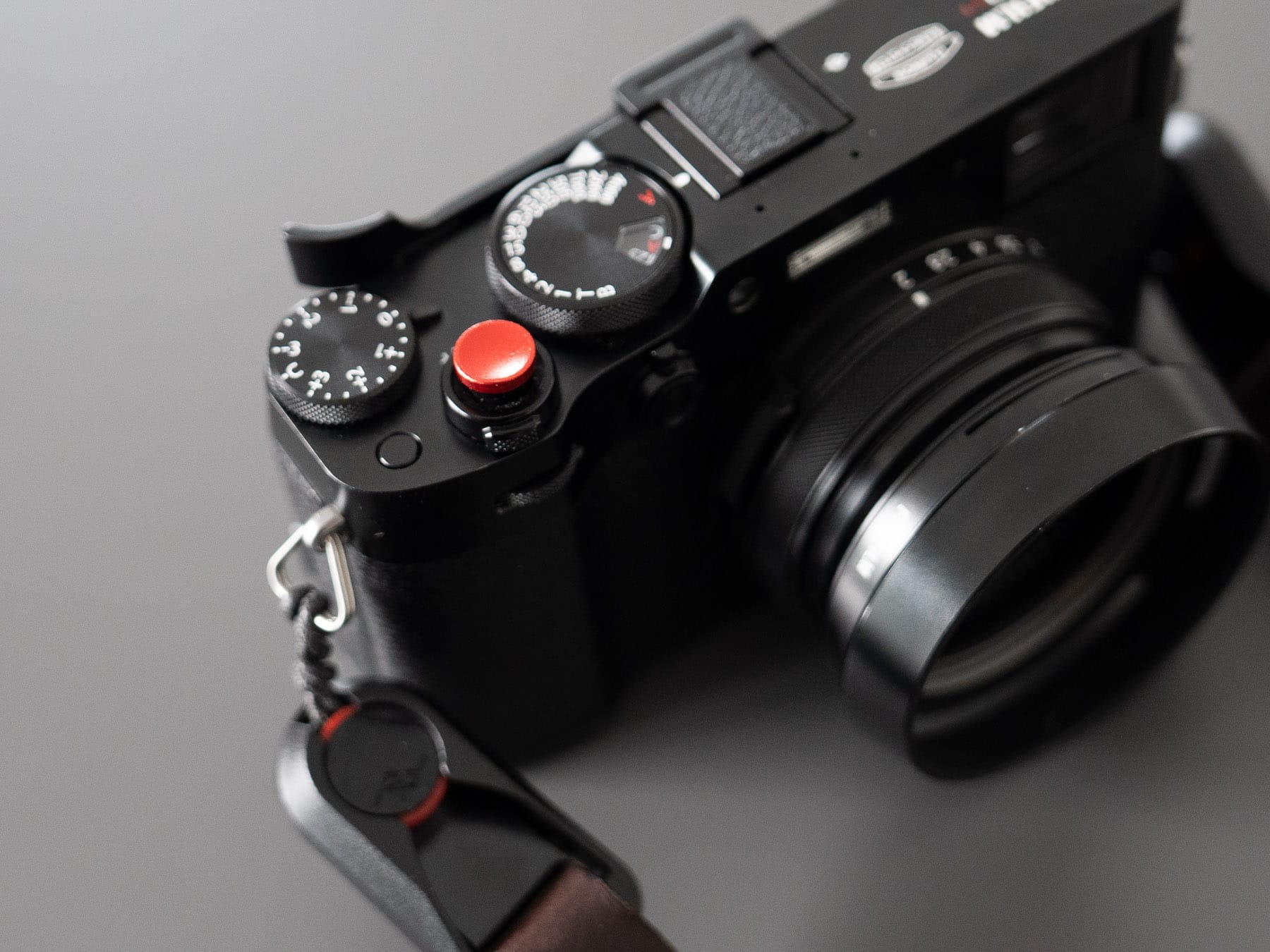
This workflow is exactly how my brain sees photography.
Let me best showcase this with one of my weird pet peeves: the aperture ring. I probably would never have picked up this camera if Sony had released a 35 mm lens with an aperture ring and a smallish size. Something like their 50 mm G but, well, with 35 mm. I originally went to the store to maybe replace the 35 mm I had with the 40, but I ended up testing the Fuji for a few minutes and then decided to buy that.
It also helps that you can dial in your colors on Fuji, which is why most people get one in the first place. If you’re into photography, you’ve heard of Fuji’s film recipes.
If you haven’t, let me explain: Fujifilm was originally known as a maker of analog film. And all different types of analog film had their own color science. Kodak Portra is known for its natural skin tones and soft colors. Fujifilm Velvia is known for its high saturation and bold contrast.







So when Fujifilm started creating digital cameras, they brought this knowledge over as so-called film recipes. Basically, think built-in Instagram filters. And you can adapt them by changing a bunch of values.
The photography community (and influencers) loves this, and there’s a whole industry of people sharing their “recipes” so that your pictures can look like theirs.


I have my own adapted color profile. I don’t remember if I picked it up somewhere or dialed it in myself, but 99.999% of all the pictures I take use this profile. The only editing I do on a computer is cropping. And I barely crop anyway. Again, 35 mm.
Feel free to steal the profile:
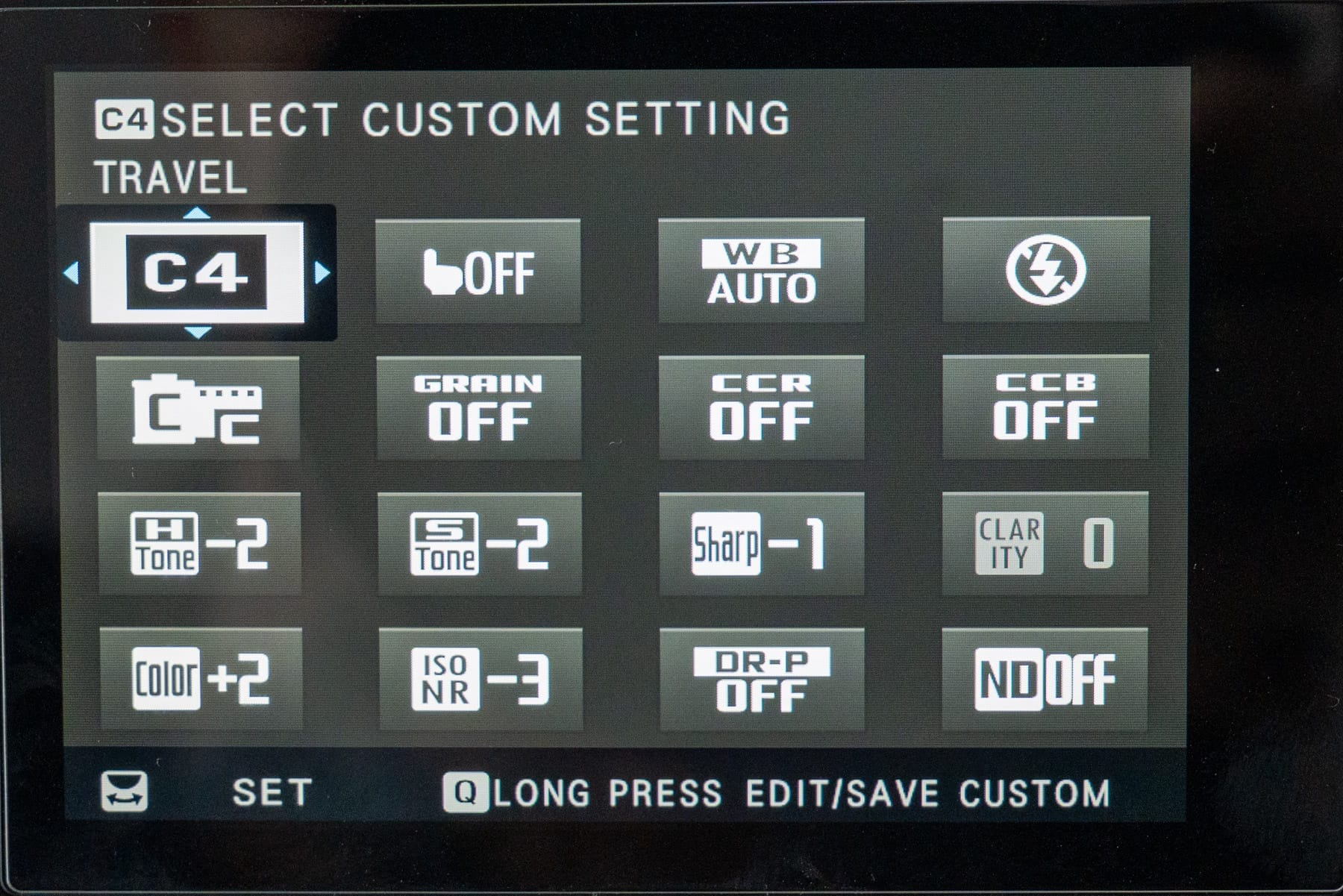
What this does for me is shift photography from a technical exercise into a craft. It feels like art again.
When I shoot with this camera, I’m instantly in the zone: it’s just me and the subject I’m shooting, and I’m able to transform the image I have in my mind into an image living on my SD card.
I was never able to do this with either Sony or even the Leica. (Though on the Leica it all came down to the focal length. I still shot my favorite picture on the Q2.)
The X100VI also somehow introduced a change in how I see photography.








Before the Fuji, I chased technically perfect pictures. Great bokeh, absolutely no ISO noise, shallow depth of field, everything completely in focus. I tried to take pictures like a surgeon, with no flaws whatsoever.
But this changed. When I now look at photos by others and see technically infallible images, I just find them so damn boring.
With the Fuji, I stopped caring about blown highlights, crushed shadows, motion blur, lens flare, missed focus, ISO noise, color shifts, distortion, smudged glass, uneven light, awkward framing, imperfect timing, or even dirty lenses. (Footnote: the camera mostly doesn’t have any of these issues.) I take pictures to capture and document the world and remember it.

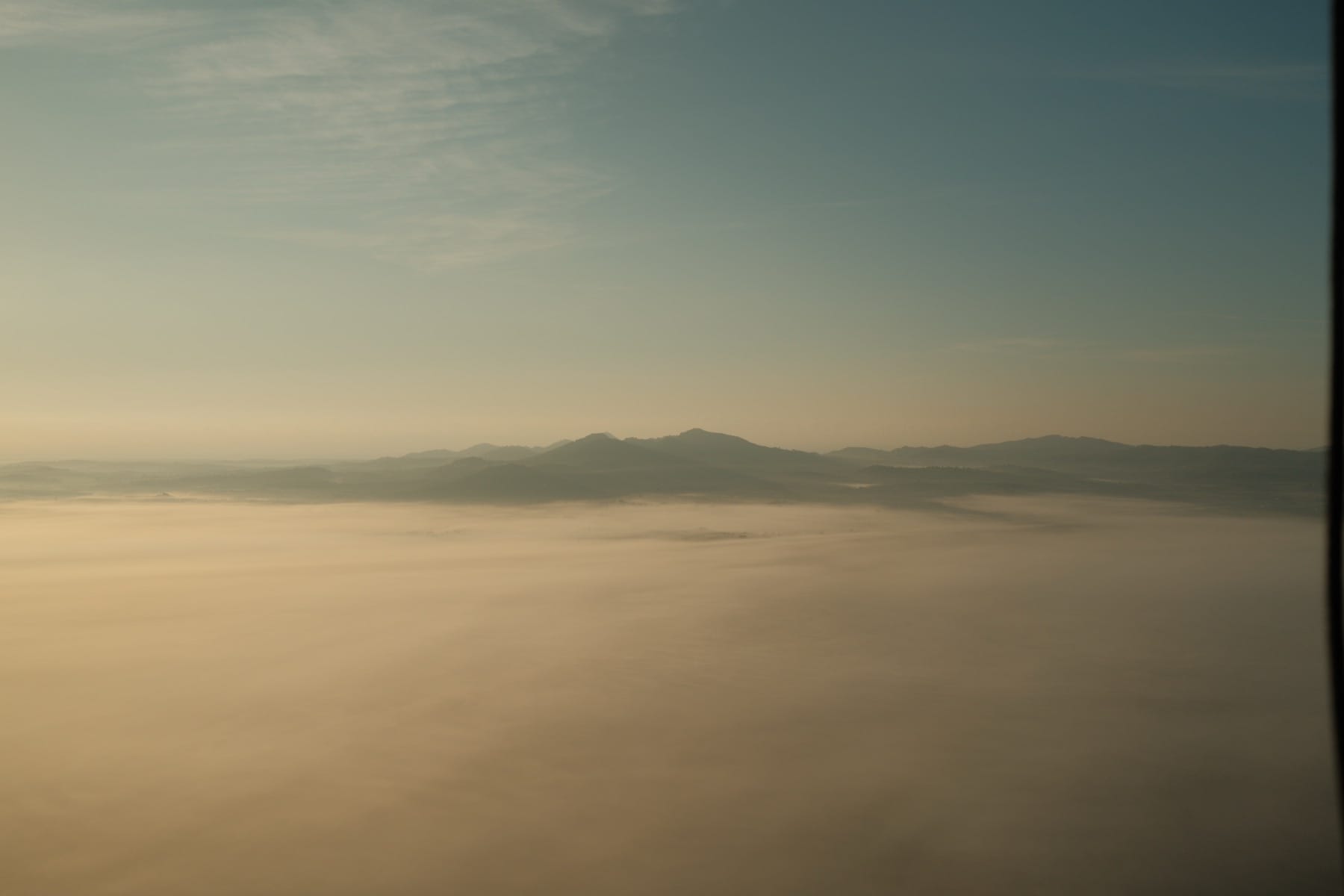
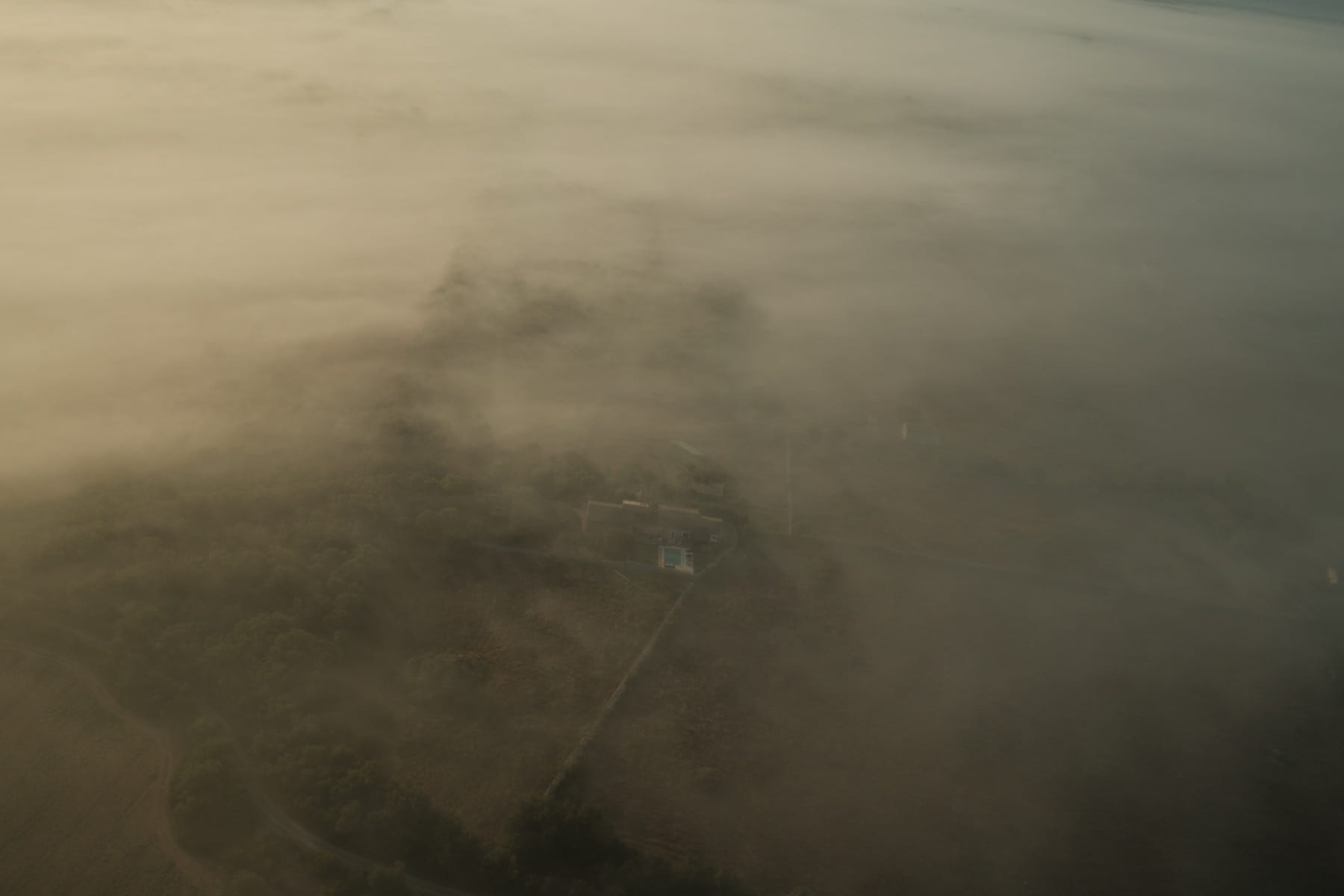


And the world is messy, gritty, at times too dark, at times too vibrant, it’s often gray (especially here in Luxembourg), and it’s noisy, fleeting, fragile, dissonant, unpredictable, and imperfect. And that is what makes it beautiful. And so is this camera. Like, literally. It’s a beautiful object.
Now, the X100VI is, like I said, not a perfect camera. It has a smaller APS-C sensor, and coming from full-frame, I know what I’m losing in depth of field and low-light performance.
I’m also not yet used to the crop factor. The lens is the full-frame equivalent of a 35 mm lens, but it’s actually a 23 mm, and F2 is not actually F2 but more like F3. And what, why is there math in my photography??? (There always was math in photography, but bear with me for the sake of this text.)
Though if you understood none of this, be happy because it doesn’t matter to you anyway.
The X100VI also has a fixed lens. As in, you cannot change the lens. That doesn’t matter to me because I see the world in 35 mm anyway. If it bothers you, get the X-E5, which is nearly the same camera but with interchangeable lenses.
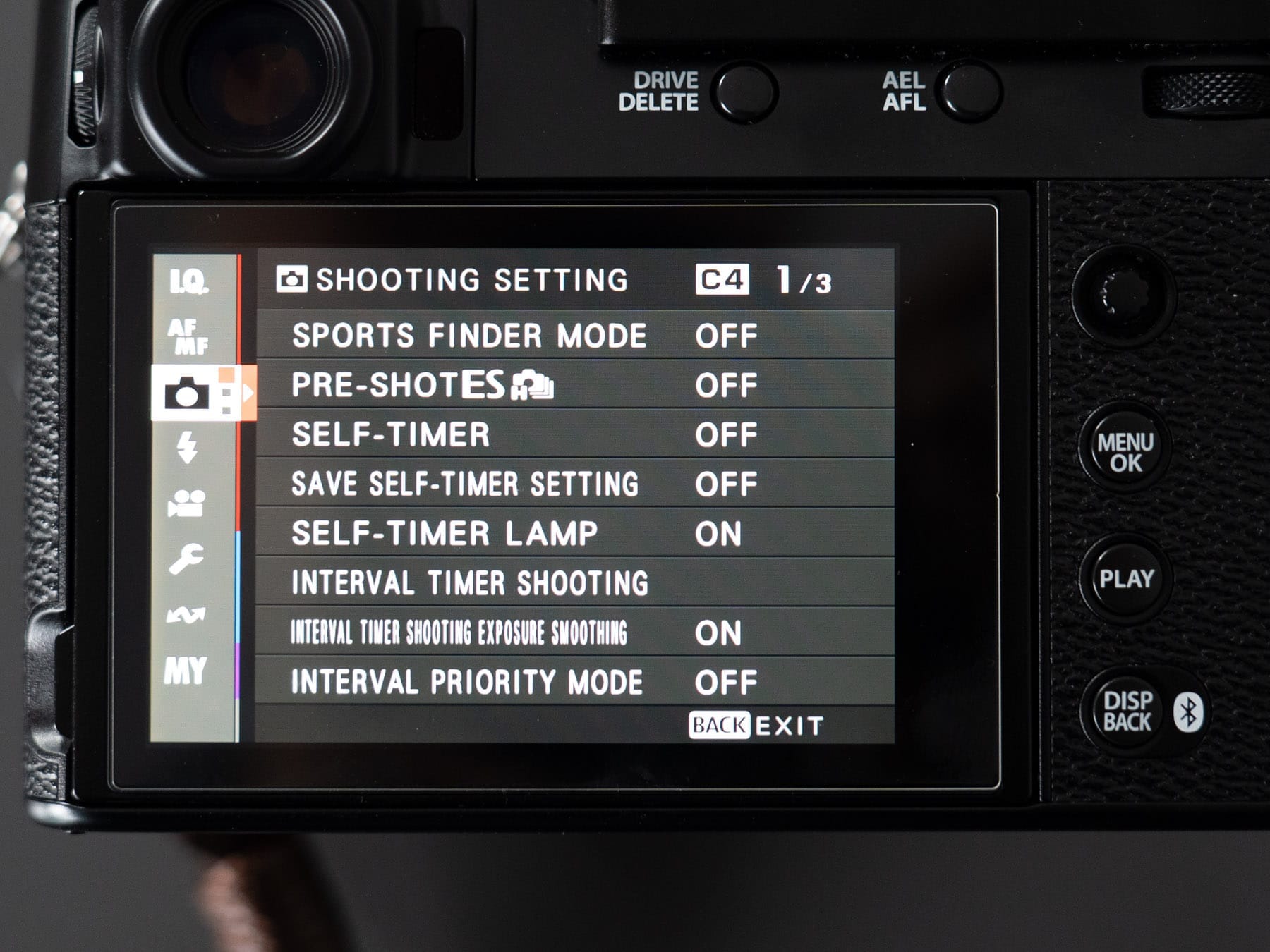
I also dislike the screen. On the a7C II I used to flip the screen around because I only ever looked through the viewfinder. The same is true for the Fuji. The only times I ever look at the screen are when I need to hunt in the menus. (And sorry, the Fuji menus are shit. It doesn’t really matter because, like I said, there’s a dial for most everything you need, but still, they’re no bueno.)
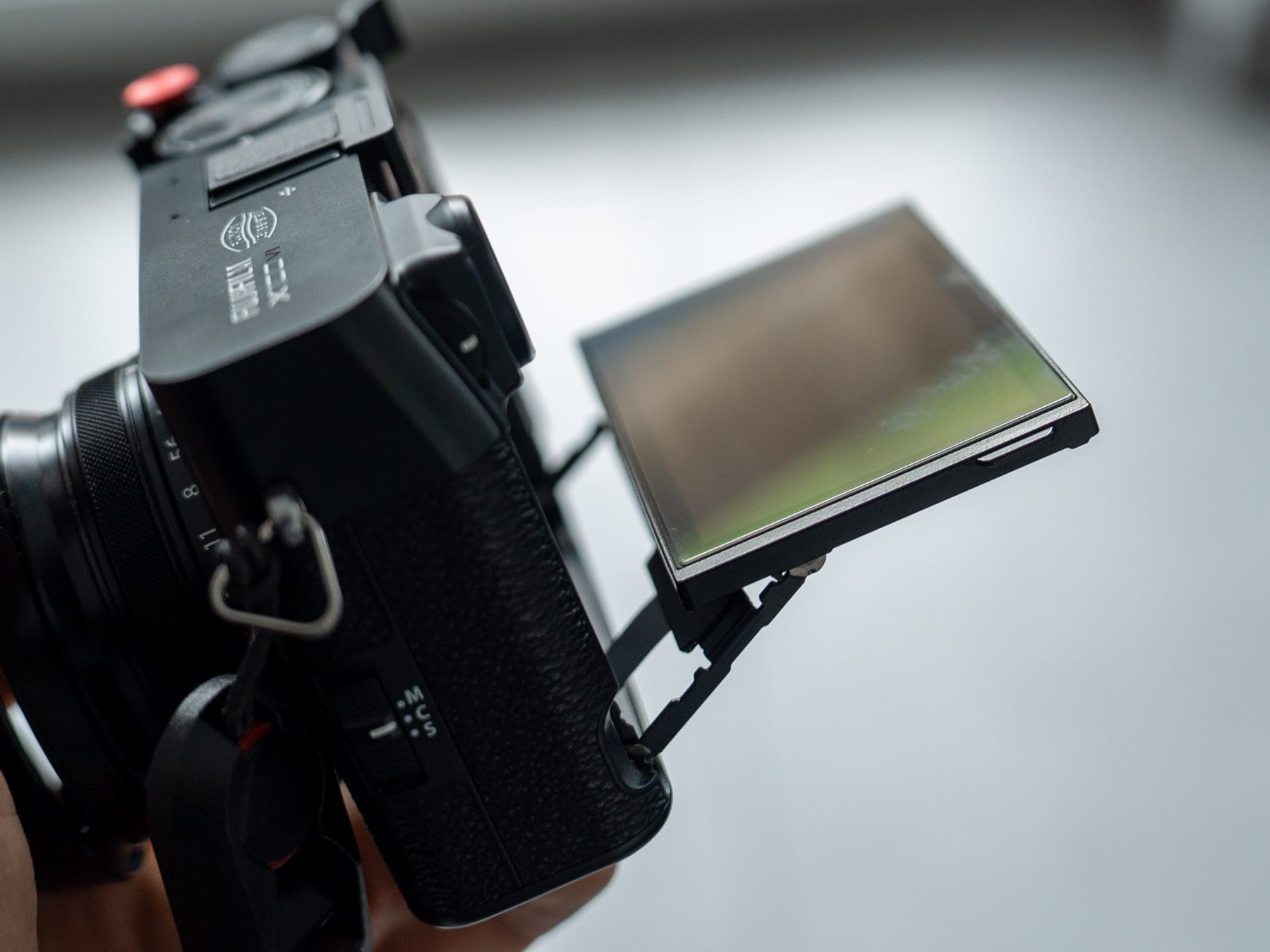
On the Fuji, I can’t flip the screen around. All you can do is tilt it. This is, honestly, stupid. The advantage of a flippy screen is that flipping it inward also protects it from both the outside world and my face. Instead, I have a screen protector on this thing now.
Battery life on the Fuji is also meh. Though I’ve never owned a camera where this wasn’t the case. Therefore, I carry two spare ones with me whenever I’m away on shoots.
And there are more issues:
- It’s way too easy to flip the power button, especially when I’m wearing it with the shoulder strap and a jacket or something. I don't know how often I turned the camera on by mistake.
- You need the filter adapter to make the camera truly weather-resistant. And that thing costs another $50.
- The audio jack is some weird smaller port that supports no microphone I own without an additional dongle.
- In direct comparison to the Sony, the autofocus sucks. But the Sony autofocus system is also insanely good.
Oh, and it’s damn expensive, and thanks to influencers, often sold out.
But all these shortcomings don’t matter at the end of the day because all the pros outweigh the cons anyway.
And I didn’t even talk about what a beautiful physical object this camera is.
It might sound weird, but a camera you carry with you at all times also becomes something of an accessory. This is why these Fujis are so damn popular with influencers.
And I get it completely. I customized my Fuji with a red shutter button, a thumb grip, a green camera strap, and Fuji’s own lens hood paired with a UV filter (to protect the lens and I also own a Glimmerglass 1). Though I’m thinking of replacing Fuji’s hood with one by Squarehood.
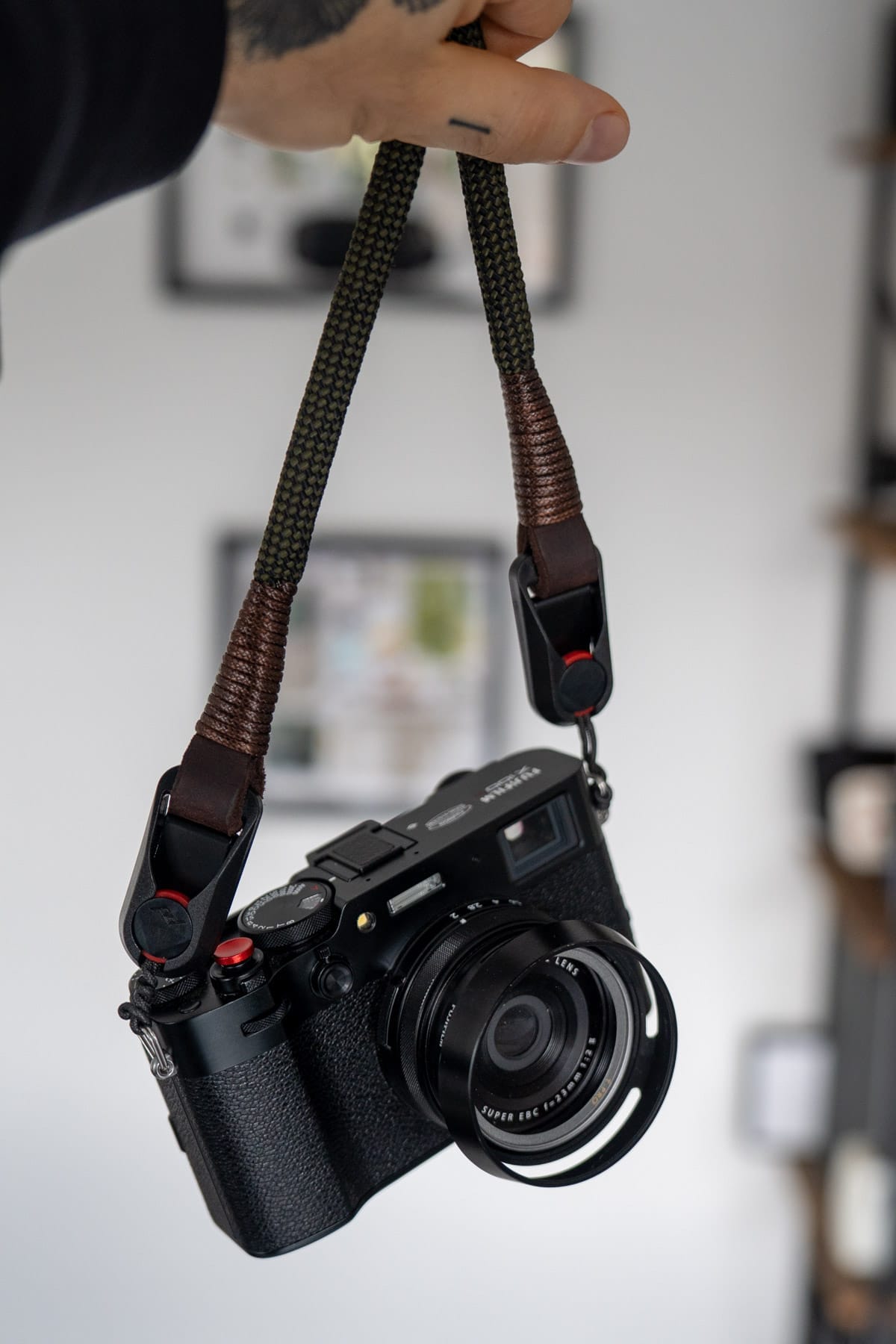
Used like that, my camera lives around my chest. And when I need to stuff it into a bag, I use this pouch thing (German shop). And since I commute to work four times a week, that pouch lives permanently in my work bag, since I carry my camera with me nearly at all times. You never know when you’ll need to grab it, and like I said above: the best camera is the one you have with you. (And thanks to the very good Fuji app, you can send pictures to your phone in a heartbeat. For when you need more likes on Instagram.)
And thus, the Fuji X100VI is the best camera.
So here’s what I keep returning to: gear matters because when it truly sparks joy, it changes how you see, how you shoot, and even how you live your craft.
The X100VI isn’t perfect, but it reaffirms that “gear doesn’t matter” is only half right.
(Though I still want a Leica M. But then again, this website is called overkill for a reason.)